Throughout a couple’s marital journey, it is common for either Party to grow and change over time. Sometimes, married couples may come to realise that their spouse has habits that are difficult for them to accept. This may then lead to conflicts arising from Parties’ differences.
When Parties are at the height of dealing with their marital issues, the inevitable tendency would be for them to resort to divorce proceedings. However, there is an often-overlooked yet promising solution to marital conflict – marital counselling.
Even if the Parties ultimately end up choosing to divorce, marital counselling can still prove extremely useful. In this article, we will explore the benefits of marital counselling and how it can assist Parties, regardless of whether the outcome is a divorce or preservation of their marriage.
What Is Marital Counselling?
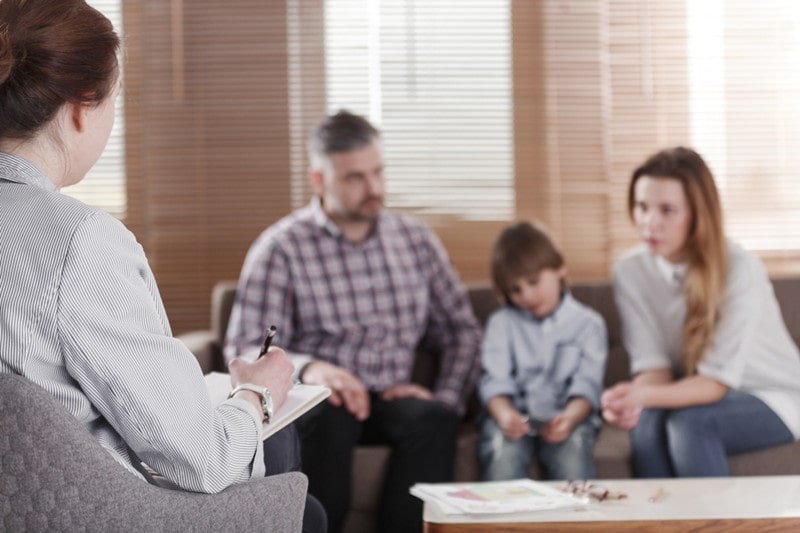
Marital counselling is conducted by a trained Counsellor who assists married couples in resolving issues that are affecting their relationship adversely.
These counselling sessions can be joint or separate. The objective is to identify and address the underlying root cause of marital problems, by guiding couples towards feasible solutions that work for their unique set of circumstances.
Benefits of Marital Counselling
When facing challenging times in your marriage, it would be best to handle issues with immediacy and care as they surface. Leaving any problems unaddressed, no matter how minor they appear, may eventually lead to an irreparable strain on your marital relationship.
The effectiveness of marital counselling will vary from couple to couple. Still, with the right attitude and approach, all couples are likely to benefit from seeking counselling services.
By attending marital counselling in a timely manner, both Parties may be able to:
- Assess and gain an understanding of the root cause for marital issues and conflicts;
- Gain insight into their spouse’s respective worries and concerns, and thus, bridge any differences in understanding or perspective between them;
- Repair marital relations by uncovering the underlying reasons for their differences;
- Develop better communication skills between them;
- Understand how to better manage conflicts in future;
- Learn ways to strengthen the marriage; and
- Rebuild or foster trust between them.
The first step towards fixing the marriage is to understand that in most cases, it is not the sole fault of either Party that has caused their relationship to break down. Pointing fingers to blame one another does not help. Instead, both Parties should redirect their focus towards finding constructive ways to fix their relationship. Marital counselling helps Parties learn to pave a more productive way forward.
Marital Counselling and Divorce
At times, despite both Parties’ best intentions and efforts, they may realise that getting a divorce to lead separate lives remains the unparalleled option for each of them.
In such circumstances, marital counselling can still prove useful as it would enable Parties to:
- Separate their emotions from issues surrounding their impending divorce, which will prevent both Parties from making irrational decisions in the heat of the moment;
- Ascertain that they have done their best to salvage their marriage, and consider all alternatives before proceeding to divorce as a last resort;
- Be in mutually cooperative positions to understand each other, so that the impending divorce proceedings will not be acrimonious;
- Learn to co-parent amicably after their divorce, if there are any children involved; and
- Process and better prepare for their new phase of life after divorce.
Given the numerous benefits to be reaped from attending marital counselling, it would be remiss for Parties facing difficulties in their marriage to overlook such a valuable process.
Finding a Marital Counsellor
Counsellors can conduct sessions online or face to face to offer professional support to Parties. Also, depending on what is most appropriate for their situation at hand, Parties can seek sole or joint counselling services as well. An experienced Marital Counsellor would be well-positioned to provide guidance to either or both Parties.